
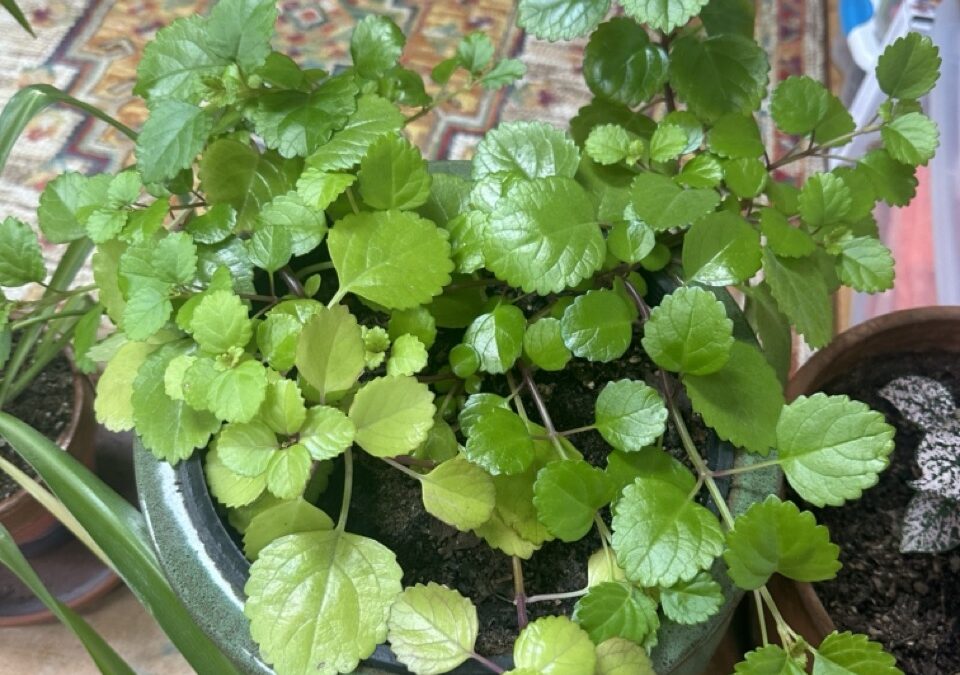
In my living room, by the kids’ instruments and the dog’s favorite chill spot, lives a Swedish ivy with a presidential lineage. This trailing plant — with shiny green leaves and ambitious stems that cascade over the pot’s edges — began as a cutting from my mother’s ivy, which started as a cutting from her friend Linda’s ivy, who received her cutting from her sister-in-law, a former White House staffer who once asked President Obama if she could take a clipping from the vibrant plant in his Oval Office.
He reportedly agreed, and my plant’s story took root.
My mom has given cuttings to several of my aunts and cousins, all of them nostalgic for the Obama years. I started a family group text called “The Obama Ivy League,” where we share photos of our plants and tips for keeping them healthy.
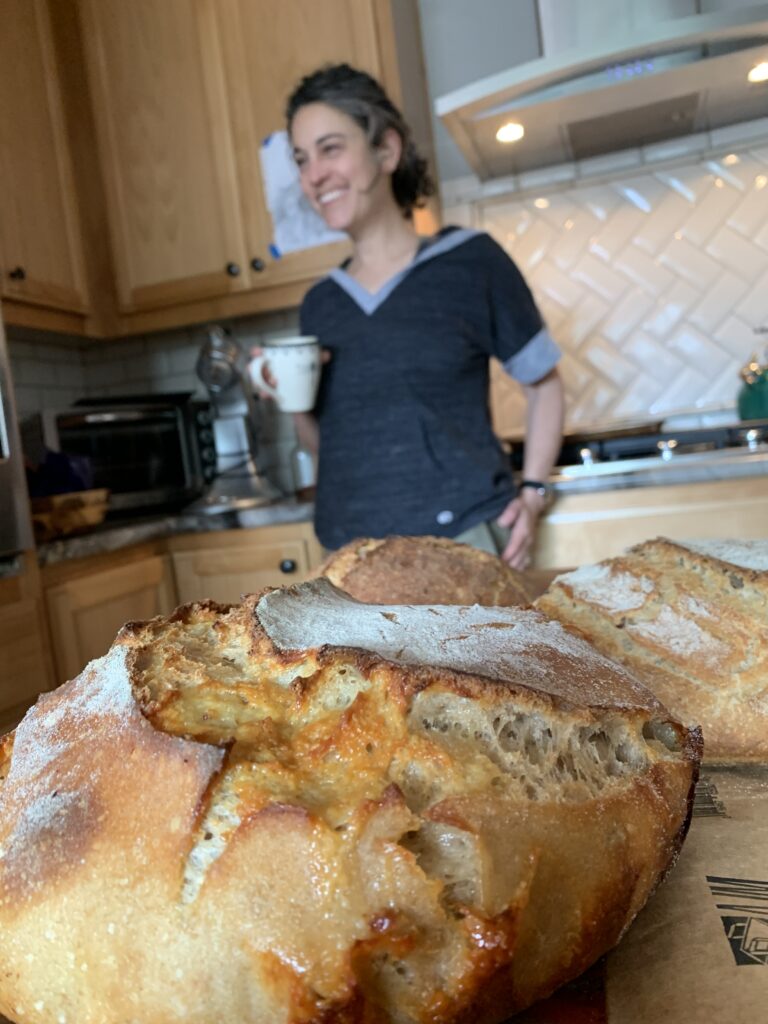
Just a few steps from the ivy, in my refrigerator, an equally distinguished sourdough starter bubbles slowly in its jar. Eight years ago, a local bread baker gifted me a portion of her starter, telling me its lineage traced back to San Francisco’s renowned Tartine Bakery.
During the pandemic, when sourdough became a quarantine obsession, I shared this starter with about a dozen local friends and neighbors, noting its Tartine origins. They had so many questions about starter care and sourdough baking that I created a private Facebook group called The Secret Sourdough Society.
Provenance creates value
Both of these are examples of the lineage effect: when a memorable origin story raises the perceived value of ordinary objects.
My Swedish ivy isn’t botanically superior to one from a commercial nursery, and my sourdough starter isn’t better than any other wild yeast culture. Yet both feel special because of their stories. Context creates worth.
Mission-driven organizations often undervalue their own provenance. They focus on what they do rather than the legacy they’re continuing or creating. The most compelling organizational messages are stories that help audiences connect with a larger narrative.
Community through shared meaning
Full disclosure: I haven’t confirmed the lineages of my starter or ivy, though I did find this Washington Post story that corroborates my Obama ivy’s provenance. Truth is critical—and in many contexts, false origin stories can become the pretense for serious harms, including erasure and theft. Brand provenance should be documented far more diligently than the stories we pass among families and friends.
But the lesson here is that backstories add value, connect people, and inspire stewardship. The Obama ivy sprouted a family text thread and motivates me to give extra TLC to that houseplant. The Tartine starter cultivates a digital community and reminds me to feed the yeast in the back of the fridge.
The most powerful brand histories aren’t just chronologies; they’re frameworks that help people feel connected in service of something bigger. When we highlight the human experiences that give facts and figures meaning, we invite our audiences to make deeper connections that motivate action.
Authenticity drives impact
Both the ivy and the starter grew and multiplied because of real relationships. The ivy passed through human hands, from the White House staffer to Linda to my mother to me. The starter traveled from the Tartine bakers to Cathy to me.
And here in my Monterey Bay community, I’m still giving ivy cuttings and jars of sourdough starter to my friends and neighbors, who become curators of these stories.
That’s the power of lineage: it transforms consumers into stewards, audiences into advocates. The best mission-driven messages don’t just inform. They propagate. 🌱
Want help telling your organization’s origin story? Send me a note, and let’s talk.
Beautifully written Kera and it should be well received. It embraces your core values of community, authenticity and sending it forward. Proud of your dedication and your skills Kera.❤️
“Beautifully written. I couldn’t have put it into words this eloquently myself. We have a dozen plants in our house, but the only ones we ever really talk about—beyond a quick ‘that looks nice’—are the Obama ivy and ‘Lochlan’s birth plant.’ It just shows how tying even the most ordinary things to a story gives them real emotional weight and lasting impact.”